
Missing a tooth or several teeth can affect far more than just the way you look. It can make chewing difficult, change the alignment of your bite, and even lead to shifting of surrounding teeth over time. At Clinton Family Dentistry & Orthodontics, a dental bridge is one of the trusted restorative dentistry options offered to help bridge the gap in your smile and restore both function and confidence. Dental bridges come in several varieties that are chosen based on your individual dental needs, the condition of your surrounding teeth, and your long-term goals for comfort and oral function. Understanding the types of bridges available can help you feel more informed and empowered when discussing treatment with your dentist.
Traditional Dental Bridges
One of the most common types of dental bridges recommended in restorative dentistry is the traditional dental bridge. This type of bridge consists of one or more artificial teeth, known as pontics, which fill the gap left by missing teeth. Your dentist will place crowns on the natural teeth adjacent to the empty space. These crowns help secure the bridge and distribute chewing forces evenly across the mouth. Traditional bridges can be highly effective for replacing a single missing tooth or a small span of missing teeth. However, they require healthy natural teeth available on either side of the gap. Their durability and predictable performance make them a reliable option for many patients.
Cantilever Bridges for Specific Situations
In some cases, you may not have healthy teeth on both sides of the space left by a missing tooth. When this happens, we may recommend a cantilever bridge. Cantilever bridges are similar in design to traditional bridges. However, they are anchored by a crown on only one side of the gap instead of two. This makes them a suitable choice when only one strong adjacent tooth is available for support. While less commonly used than other types of bridges, cantilever designs can be a practical solution for restoring areas of the mouth where a traditional approach isn’t feasible.
Minimally Invasive Options: Maryland Bridges
Not all bridges require extensive preparation of neighboring teeth. Patients who want a more conservative option may qualify for a Maryland bridge. Maryland bridges use a metal or porcelain framework with “wings” that are bonded directly to the back of the adjacent teeth. The surrounding teeth do not need to be substantially reshaped or crowned. This type of bridge preserves more of your natural tooth structure. We may recommend Maryland bridges when the abutment teeth are healthy and free from large restorations. While they may not be as strong as traditional bridges, they offer excellent aesthetics and a less invasive treatment path.
Implant-Supported Bridges for Enhanced Stability
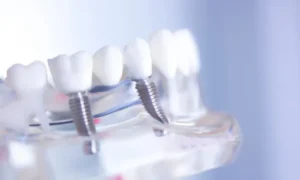
When multiple teeth are missing in a row or when you want the most stable and long-lasting solution available, an implant-supported bridge may be the ideal choice. This type of bridge does not rely on adjacent natural teeth for support. Instead, dental implants are surgically placed into the jawbone and act as anchors for the bridge. Because implants fuse with the bone, they provide exceptional stability. This also helps preserve bone structure, which can diminish over time after tooth loss. We typically recommend Implant-supported bridges for patients with adequate bone density and overall oral health. While the process takes longer due to surgical placement and healing time, the outcome is often superior for chewing efficiency and longevity.
Choosing the Right Bridge for You
At Clinton Family Dentistry & Orthodontics, the choice of dental bridge will always be personalized based on your oral health, aesthetic goals, and lifestyle. A thorough exam and conversation with your dentist will help determine which type of bridge best restores your smile and supports your long-term dental wellness. Contact our office today to schedule a consultation and learn more about your treatment options.