
A dental crown is a common restorative procedure used to repair damaged, decayed, or weakened teeth. Whether you’re getting a crown to restore a chipped tooth, after a root canal, or to improve the appearance of a misshapen tooth, understanding the process can help ease any anxiety. If you’re scheduled for your first dental crown, here’s what you can expect before, during, and after the procedure.
Understanding the Purpose of a Dental Crown
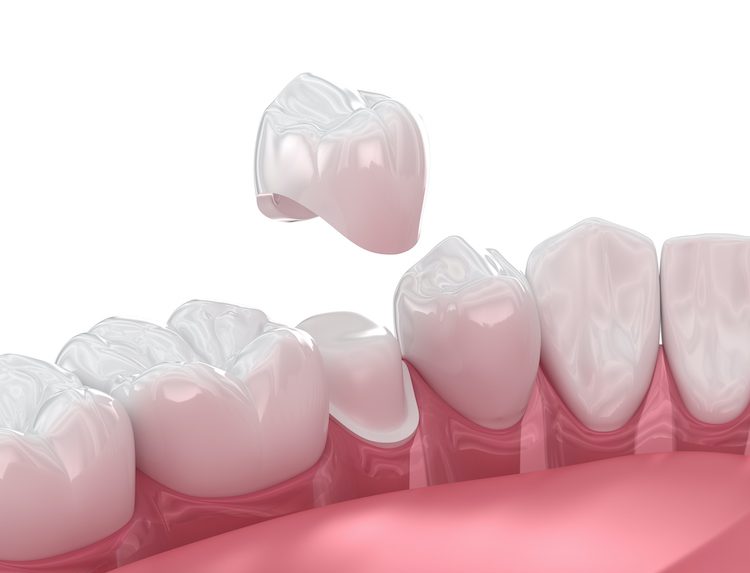
A dental crown, sometimes referred to as a cap, is designed to cover the visible portion of your tooth. It could restore strength, function, and appearance. Crowns are typically recommended when a tooth is too damaged for a filling but doesn’t need to be extracted. Materials used for crowns vary and include porcelain, ceramic, metal, or a combination of these, depending on the location of the tooth and your personal preferences.
The First Appointment: Examination and Preparation
Your journey to getting a crown typically begins with a consultation and examination. Your dentist will take X-rays to assess the roots of the tooth and surrounding bone. If the tooth has extensive decay or there’s a risk of infection, a root canal might be required first.
Once the tooth is deemed ready for a crown, the dentist will start by reshaping it. This involves removing a portion of the outer structure to make room for the crown itself. If a large part of the tooth is missing due to damage or decay, the dentist may build it up with filling material to support the crown.
After reshaping, your dentist will take an impression of your tooth using a mold or a digital scanner. This model will be sent to a dental lab where your custom crown is made. It usually takes a couple of weeks for the crown to be fabricated. In the meantime, a temporary crown is placed over your prepared tooth to protect it.
The Temporary Crown Phase
While you wait for your permanent crown, the temporary one helps maintain the shape of your bite and prevents sensitivity. However, it’s not as strong as the final version, so it’s important to be cautious. Avoid sticky, chewy, or hard foods, and take care when flossing around the area to prevent the temporary crown from coming loose.
Some patients may experience slight discomfort or sensitivity during this phase, especially when consuming hot or cold foods. Over-the-counter pain relievers usually help. However, if you experience significant pain or the temporary crown falls off, it’s important to contact your dentist.
Fitting the Permanent Crown
Once your permanent crown is ready, you’ll return to the dentist to have it placed. The dentist will remove the temporary crown and check the fit and color of the new one. Adjustments can be made to ensure the crown fits comfortably and matches the surrounding teeth. If everything looks and feels right, the dentist will cement the crown in place. Once secured, your bite will be checked again, and any final tweaks will be made to ensure proper alignment.
Aftercare and Long-Term Expectations
After your crown is placed, it’s normal to feel some mild soreness or sensitivity, especially around the gum line. This should fade within a few days. If discomfort persists or the bite feels off, follow up with your dentist for adjustments. Caring for your dental crown is much like caring for your natural teeth. Good oral hygiene practices, such as brushing twice daily, flossing, and regular dental checkups, will help extend the life of your crown. While crowns are durable, they can still be damaged by habits like grinding your teeth or chewing on ice, so it’s important to avoid these behaviors.
Dental Crown Treatment in Clinton, NC
At Clinton Family Dentistry & Orthodontics, we are dedicated to helping you preserve your oral health. If you have deep decay or extensive damage, a dental crown could protect your tooth and prevent the need for extraction. Contact our office today to schedule a consultation and learn more about your restorative dentistry treatment options.